
Miscellaneous Accessories
-
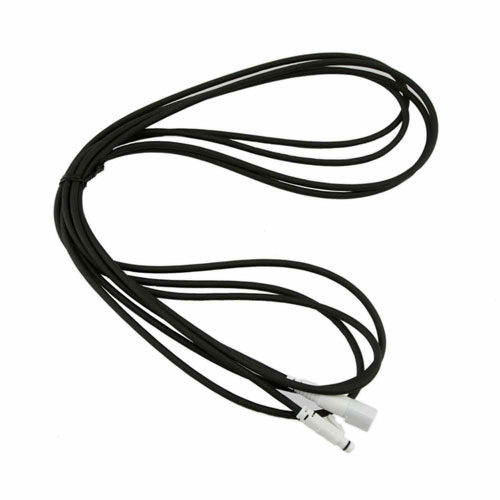 TR-3C30
 -
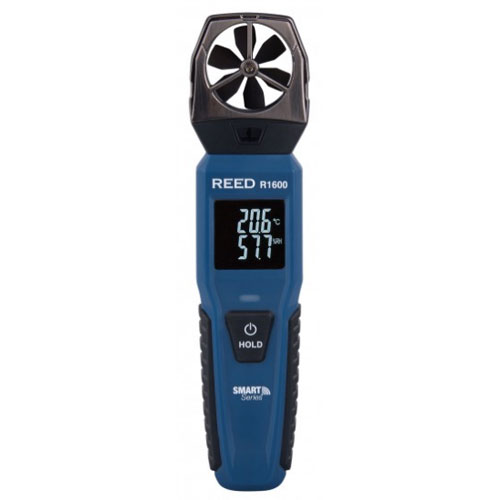 R1600
R1600- Measures Air Velocity, Air Temperature and Relative Humidity
- Measurement Range of 0.6 to 25 m/s (Air Velocity), -20C to 60C (Temperature) and 0 to 100% RH (Humidity)
- Magnetic Backing for Mounting onto Metallic Surfaces
- Bluetooth Connectivity for Monitoring and Viewing Data up to 246 ft (75 Meters) Away
- Real-Time Data Logger When Used with the Smart Series App
Includes Protective Cap and (4) AAA Alkaline Batteries
-
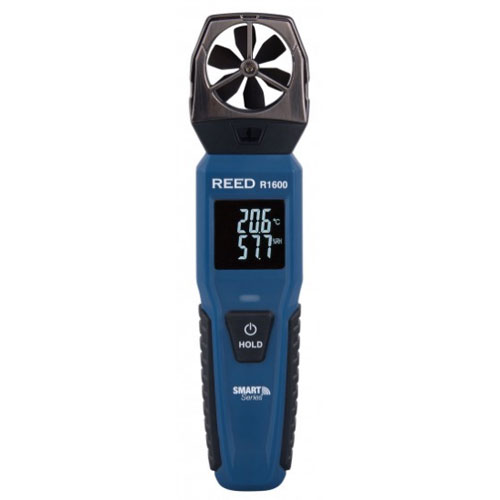 R1600-NIST
- Measures Air Velocity, Air Temperature and Relative Humidity
- Measurement Range of 0.6 to 25 m/s (Air Velocity), -20C to 60C (Temperature) and 0 to 100% RH (Humidity)
- Magnetic Backing for Mounting onto Metallic Surfaces
- Bluetooth Connectivity for Monitoring and Viewing Data up to 246 ft (75 Meters) Away
- Real-Time Data Logger When Used with the Smart Series App
Includes NIST Certificate, Protective Cap and (4) AAA Alkaline Batteries
-
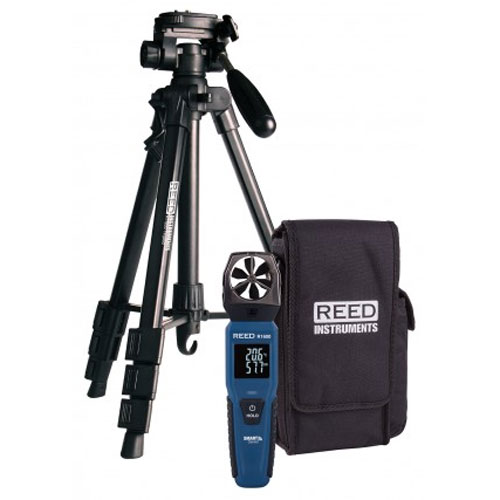 R1600-KIT
- Measures Air Velocity, Air Temperature and Relative Humidity
- Measurement Range of 0.6 to 25 m/s (Air Velocity), -20C to 60C (Temperature) and 0 to 100% RH (Humidity)
- Magnetic Backing for Mounting onto Metallic Surfaces
- Bluetooth Connectivity for Monitoring and Viewing Data up to 246 ft (75 Meters) Away
- Real-Time Data Logger When Used with the Smart Series App
Kit Includes R1600 Vane Anemometer, R1500 Tripod, CA-05A Carrying Case, Protective Cap and (4) AAA Alkaline Batteries
-
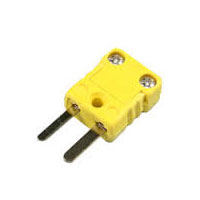 TC-524-102
- Male Miniature Connector Plug with 2 Prongs
- Color-Coded: Yellow (Type K), Blue (Type T), Black (Type J)
- Polarized Pins & Connector Body
- Rated: -58°F to 410°F (-50°C to 210°C)
- Suitable for Wire Diameters up to 22 AWG (0.025"D);
- Available in Type J, K or T
-
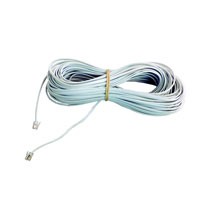 Supco 300 ft Extension Cable$125.0019995
- 24 AWG Sensor Wire Extension
- 300 ft Cable Length
- Compatible with Supco THA2 Data Logger
-
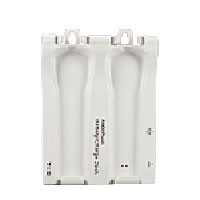 RTR-600BD
- Charging Station for RTR-602 Series Data Loggers
- Also Acts as a Communication Interface for Setting up Logger
- Docking Station Can Hold (2) RTR-602 Data Loggers at One Time
Includes Manual, AC Adapter, USB Cable and Wall Mount Screws
-
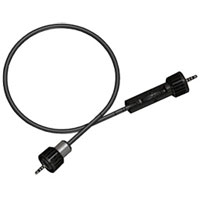 CABLE-DR-5.0
- Connects Top End of MX2001 Water Level Data Logger to Sensor End
- Transmits Recorded Readings to Top End of Logger for Storage
- Available in 5m, 10m, 15m, 30m and 60 meter Lengths. Contact Us for Custom Lengths


